How to Install a Crane: Step-by-Step Guide for Safe and Efficient Setup
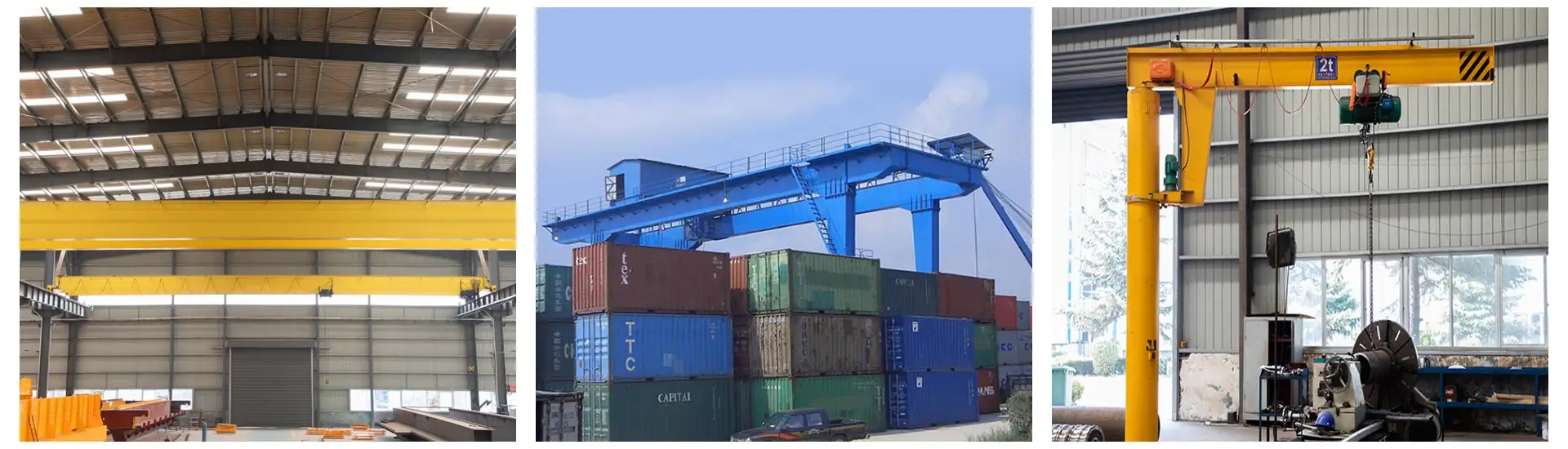
Crane installation is a complex process that requires careful planning, proper tools, and adherence to safety standards. Whether you’re setting up an overhead crane, gantry crane, or jib crane, understanding the installation steps is crucial for safe and efficient operation.
This guide will walk you through the essential steps of crane installation, common challenges, and best practices to ensure that your crane is set up correctly and operates safely.
Why Proper Crane Installation Is Important
A crane installation done incorrectly can lead to operational failures, safety risks, and increased downtime. Proper installation ensures:
Optimal crane performance
Enhanced safety during lifting operations
Reduced maintenance and repair costs
By following a structured installation process, you can prevent common issues like imbalance, misalignment, and incorrect wiring.
Key Steps in Crane Installation
Site Preparation
Before installation begins, ensure that the site is prepared and meets the requirements for crane operation. This includes:
Checking the foundation for stability and strength
Ensuring there is enough clearance for crane movement
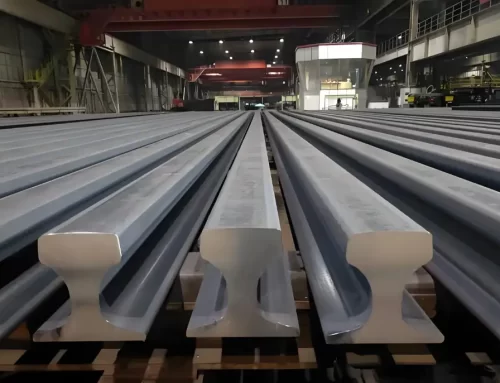
Installing support structures such as runway beams or tracks
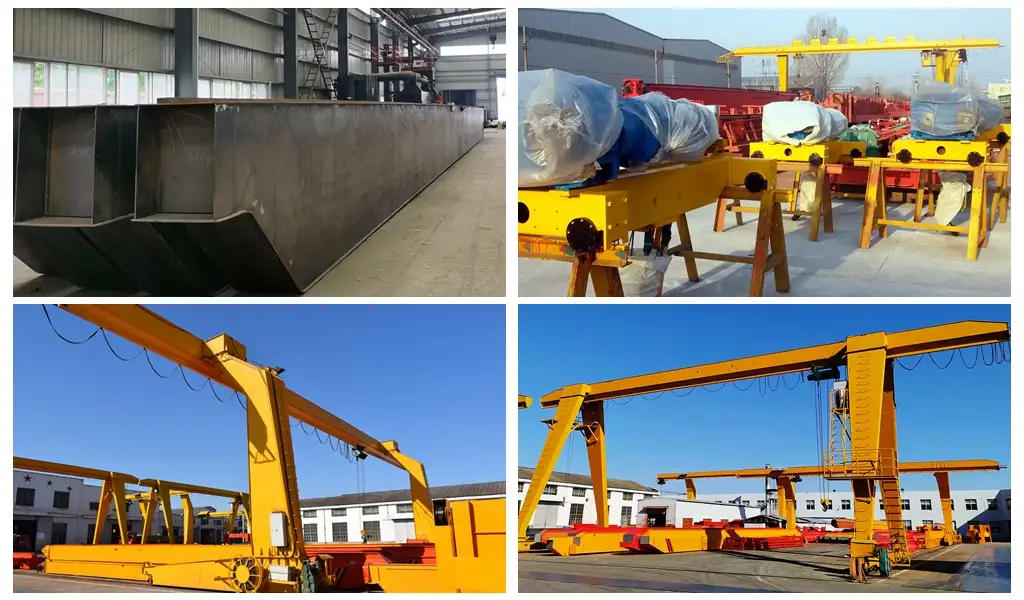
Assembling Crane Components
The crane consists of several major parts, each of which must be carefully assembled:
Bridge Girder: The main structure that supports the load. It needs to be installed on properly leveled supports.
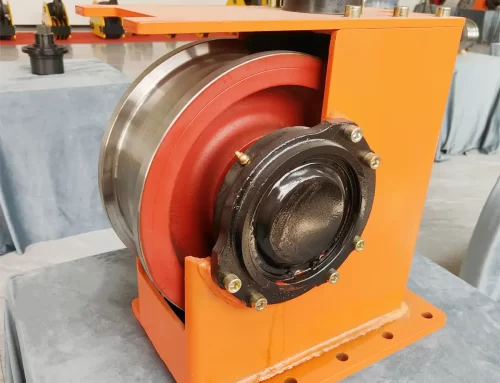
End Carriages: The end carriages connect the bridge girder to the wheels or tracks, allowing the crane to move.
Installing Electrical Components
Crane systems often require specialized electrical setups, including:
Power supply connections
Control systems (pendant, remote control, or cabin)
Safety devices (limit switches, emergency stop buttons)
All electrical connections must comply with local regulations and safety standards.
Testing and Calibration
Once the crane is assembled, conduct thorough tests to ensure everything is functioning correctly:
Load Test: Verify that the crane can lift loads within its rated capacity without issues.
Functionality Test: Ensure all controls are working as expected, including hoisting, trolley movement, and braking systems.
Safety Test: Test emergency stop features and limit switches.
Common Challenges During Crane Installation
Site Space Limitations
Limited space for assembly can make installation more difficult. Careful planning of component placement is essential to avoid delays.
Misalignment of Tracks or Runways
Improper alignment of crane tracks can lead to poor crane movement and reduced efficiency. Ensure that tracks are installed accurately and leveled correctly.
Electrical Wiring Issues
Incorrect electrical wiring or insufficient power supply can lead to malfunctions or equipment damage. Professional installation of electrical components is crucial.
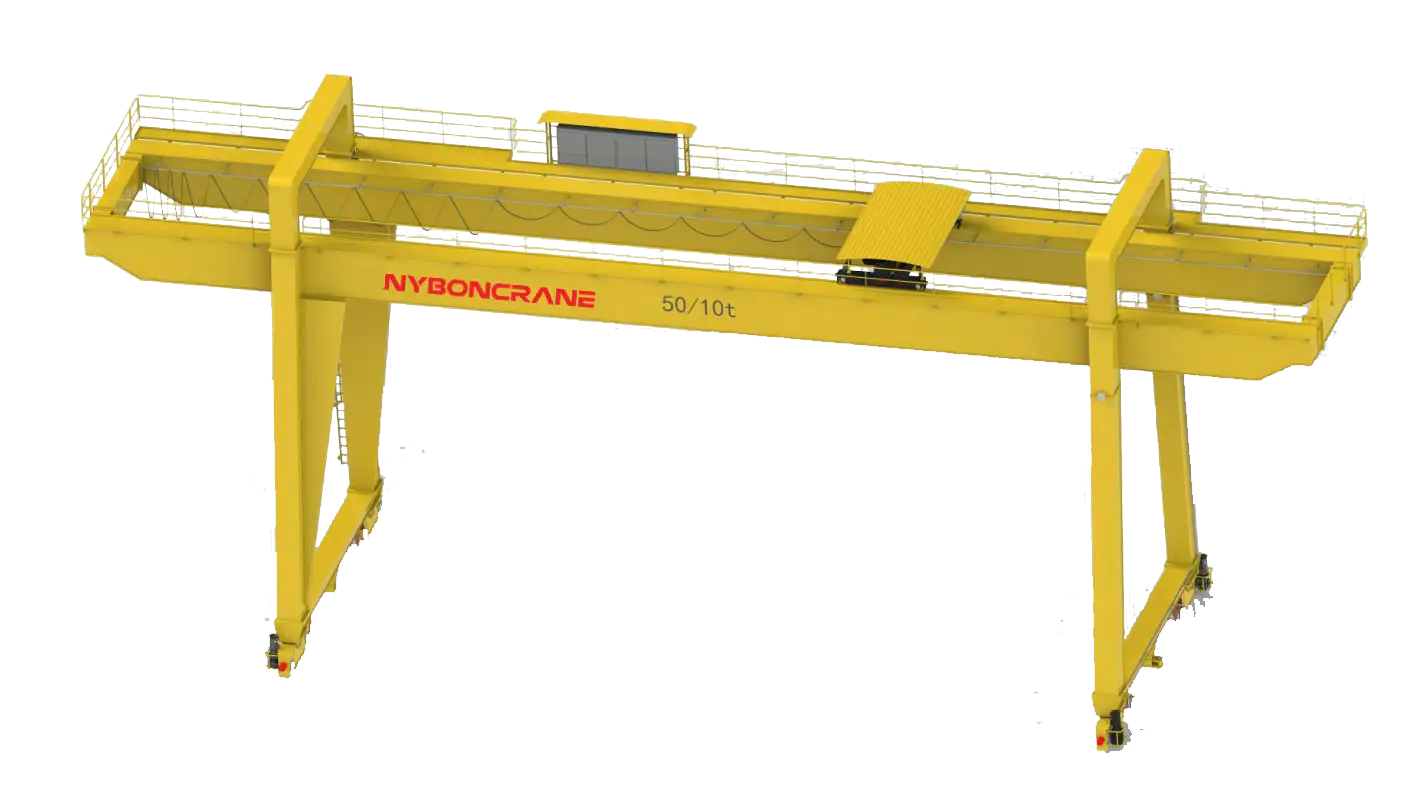
NYBON Crane
Customizable Solutions – Nybon Crane offers tailor-made cranes to meet specific requirements, including capacity, speed, and mounting options.
Crane Installation Safety Tips
Use Personal Protective Equipment (PPE)
Ensure that all workers involved in crane installation are wearing appropriate PPE, such as hard hats, gloves, and safety shoes.
Set Up Safety Barriers and Signs
Establish safety barriers around the installation area to keep unauthorized personnel away. Clear signage should indicate the danger zones.
Inspect Crane Parts for Integrity
Before installation, double-check that all crane parts are in good condition and free from defects that could affect safety.
Crane Installation Costs and Time Estimates
The cost and time required for crane installation can vary based on factors such as:
Crane type and complexity
Site conditions
Installation team expertise
On average, crane installation may take anywhere from a few days to a few weeks, depending on these factors.
Frequently Asked Questions (FAQ)
Q1: How long does it take to install a crane?
The installation time depends on the type of crane and the site conditions. It can take anywhere from a few days to several weeks.
Q2: Can I install a crane myself?
While it’s possible for experienced professionals to perform the installation, it’s highly recommended to hire qualified experts to ensure proper and safe setup.
Q3: What safety measures should be taken during crane installation?
Key safety measures include using PPE, setting up safety barriers, and verifying all components before installation begins.
Q4: What is the cost of crane installation?
The cost varies based on crane type, complexity, and site preparation. It’s best to consult with an expert for an accurate estimate.
Q5: Does Nybon Machinery offer crane installation services?
Yes, Nybon Machinery provides installation services for all types of cranes, ensuring proper setup and safety compliance.