Crane Operation Best Practices for Industrial Lifting Applications
Proper crane operation is essential for safe and efficient lifting in industrial environments. Even a well-designed crane system can become unsafe if it is not operated correctly.
This guide explains fundamental practices that help reduce accidents, protect equipment, and improve lifting efficiency in factories, warehouses, and construction-related facilities.
Why Proper Crane Operation Matters
Basic Principles
Understand the Crane’s Rated Capacity
Operators must clearly understand the crane’s rated lifting capacity and never exceed it. Overloading is a major risk factor in unsafe crane operation.
Perform Pre-Operation Checks
Before starting any lifting task, operators should conduct basic checks:
Visual inspection of wire ropes or chains
Brake and limit switch testing
Control system responsiveness
Use Proper Lifting Techniques
Loads should be lifted smoothly and steadily. Sudden starts, stops, or swinging motions should be avoided to maintain stable crane operation.
Correct crane operation helps:
Prevent workplace accidents
Reduce equipment wear and failure
Improve lifting efficiency
Extend crane service life
Poor operations are one of the most common causes of crane-related incidents, even when the equipment itself meets safety standards.
Safe Crane Operation Procedures
Load Rigging and Balance
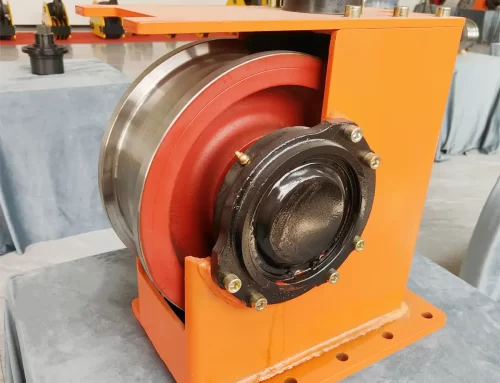
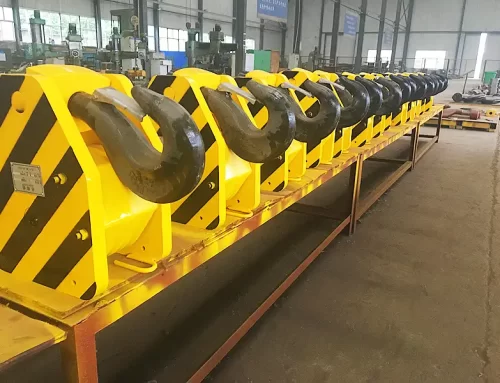
Check the crane parts. Ensure the load is properly rigged and balanced before lifting. Improper rigging can lead to load swing or dropping.
Clear Communication
Clear communication between the crane operator and ground personnel is critical. Hand signals or communication devices should be standardized and understood by all team members.
Maintain Safe Distance
No personnel should stand under suspended loads during the procedure. Establish clear safety zones around the lifting area.
Common Mistakes to Avoid
Operating Without Proper Training
Only trained and authorized personnel should operate cranes. Lack of training increases the risk of accidents.
Ignoring Abnormal Sounds or Movements
Unusual noises or vibrations during crane operation may indicate mechanical issues. Stop the operation immediately and inspect the crane.
Improper Use of Controls
Incorrect or abrupt control inputs can cause load instability and accelerate component wear.
Crane Operation in Different Working Environments
Indoor Environment
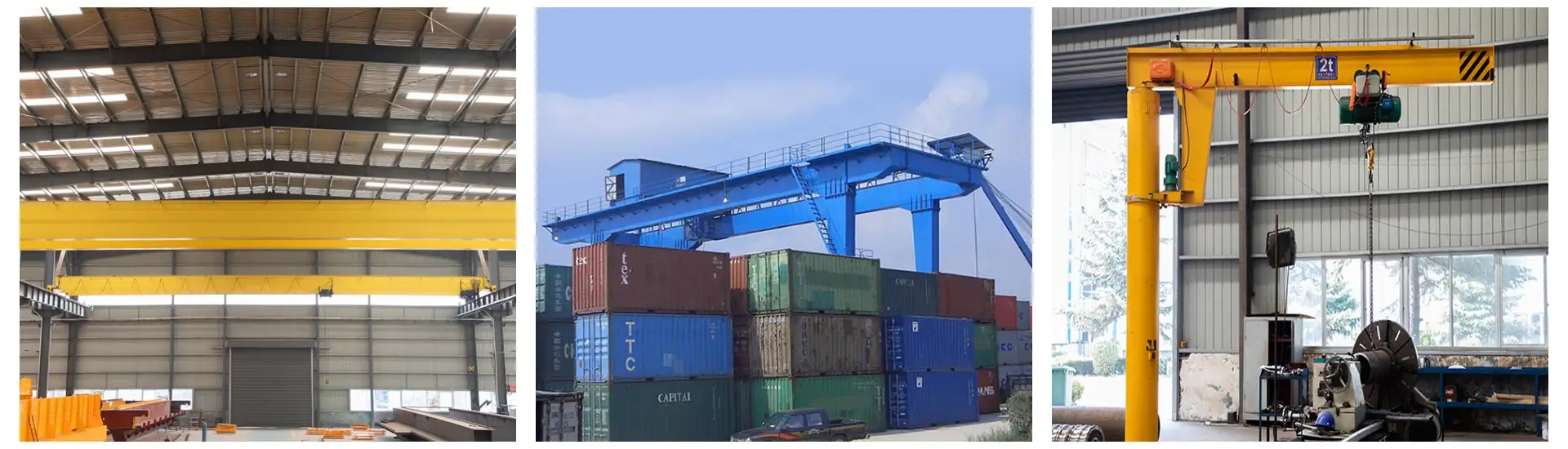
Indoor crane operation emphasizes precise positioning and coordination with other equipment in confined spaces.
Outdoor Environment
Outdoor crane operation requires additional attention to weather conditions such as wind, rain, and temperature changes.
NYBON Crane
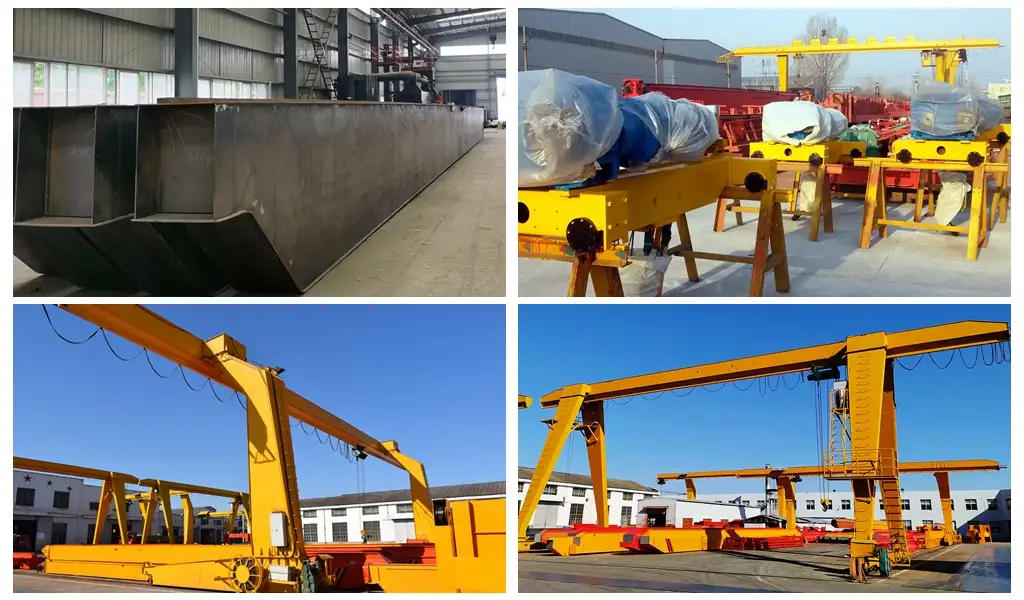
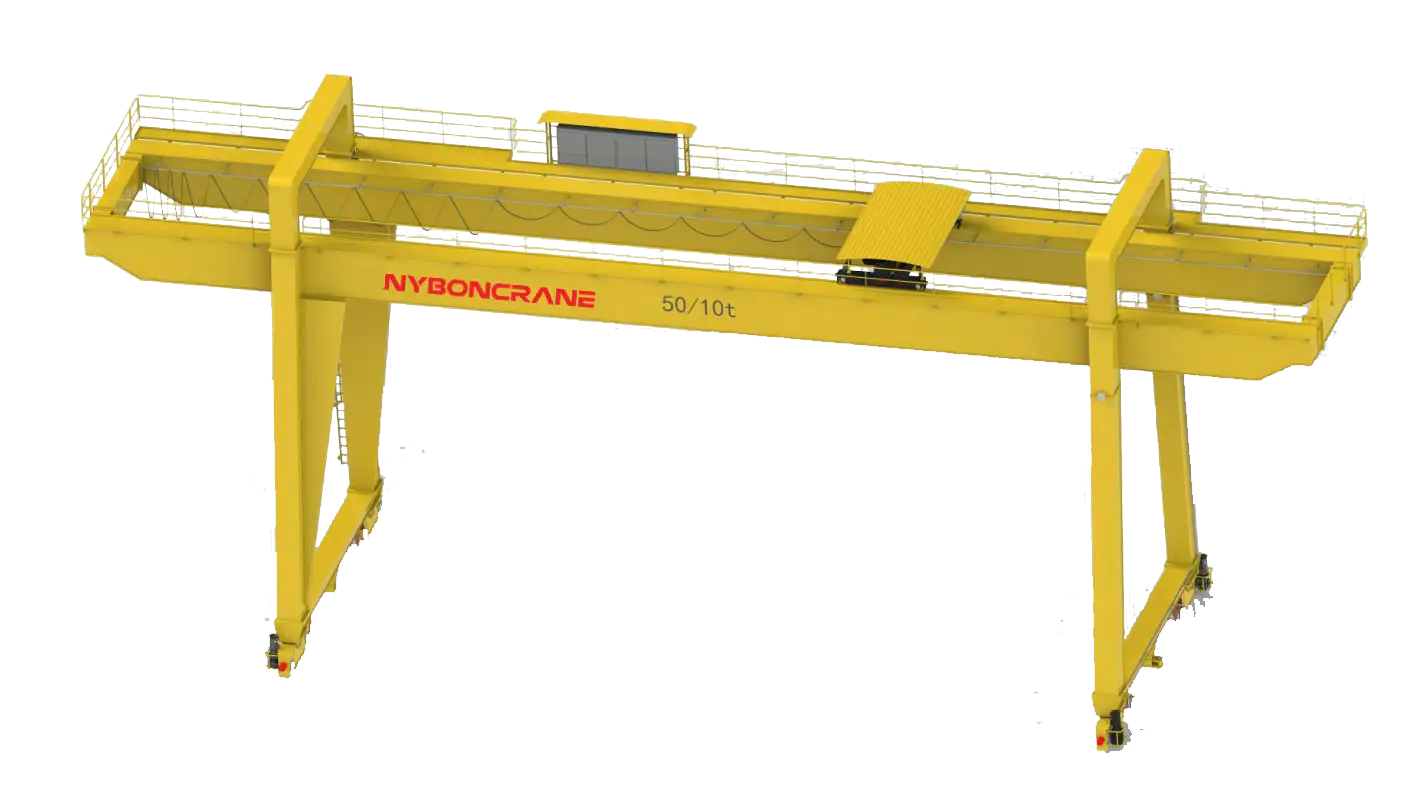
Customizable Solutions – Nybon Crane offers tailor-made cranes to meet specific requirements, including capacity, speed, and mounting options.
Standard Operating Parameters (Reference)
| Item | Typical Range |
|---|---|
| Applicable Crane Types | Overhead / Gantry / Jib |
| Rated Capacity | 0.5 – 200 tons |
| Operating Mode | Manual / Semi-automatic |
| Control Method | Pendant / Remote / Cabin |
| Working Environment | Indoor / Outdoor |
✅ Crane operation procedures can be adapted to customized crane systems.
Frequently Asked Questions (FAQ)
Q1: Who is qualified to operate heavy-duty cranes?
Only trained and authorized operators should control the cranes in industrial environments.
Q2: What should be checked before moving the cranes?
Key checks include wire ropes or chains, brakes, control systems, and safety devices.
Q3: Can crane operation affect equipment lifespan?
Yes. Proper steps significantly reduce wear and extend service life.
Q4: Is it different for indoor and outdoor cranes?
Yes. Outdoor requires additional safety considerations due to weather conditions.
Q5: Does Nybon Machinery provide guidance?
Yes. Nybon Machinery provides operation guidance and technical support for industrial crane systems.