Understanding Overhead Crane Systems for Industrial Workshops
An overhead crane system is one of the most widely used lifting solutions in industrial workshops and manufacturing facilities. It enables efficient material handling across large working areas while improving safety and productivity.
Understanding how an overhead crane system works and how to select the right configuration is essential for long-term operational efficiency.
What Is an Overhead Crane System?
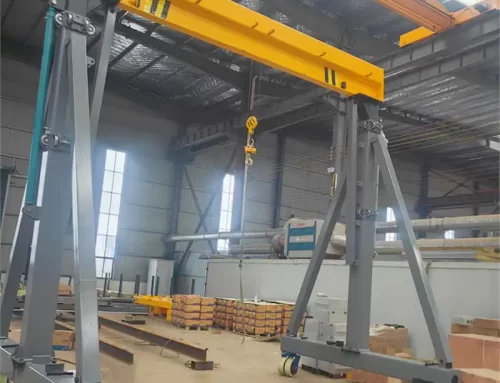
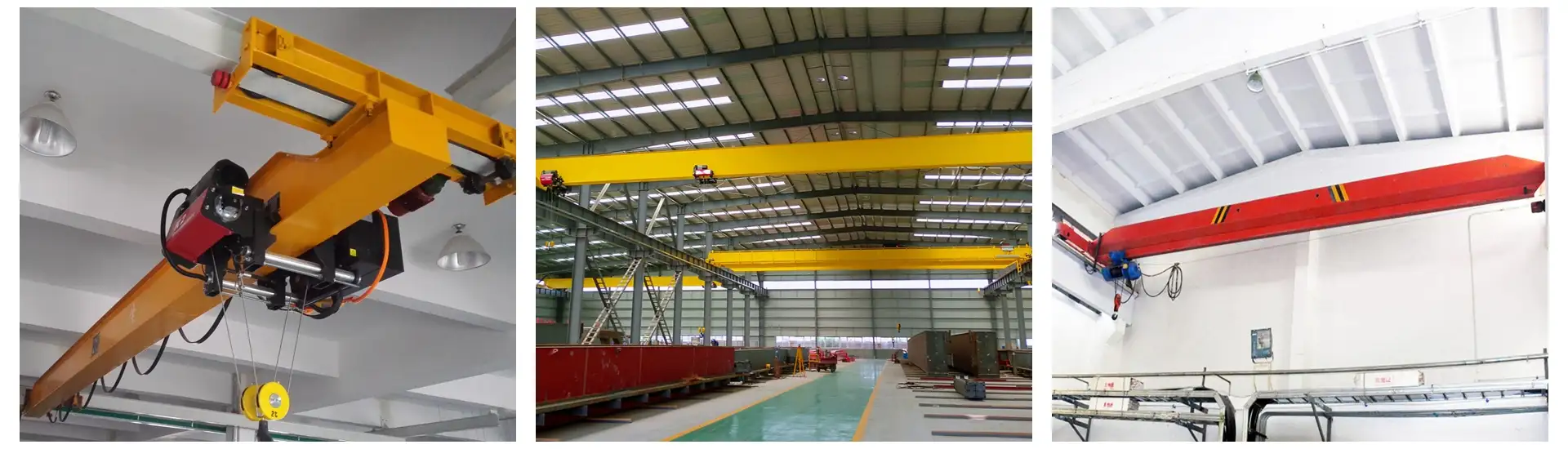
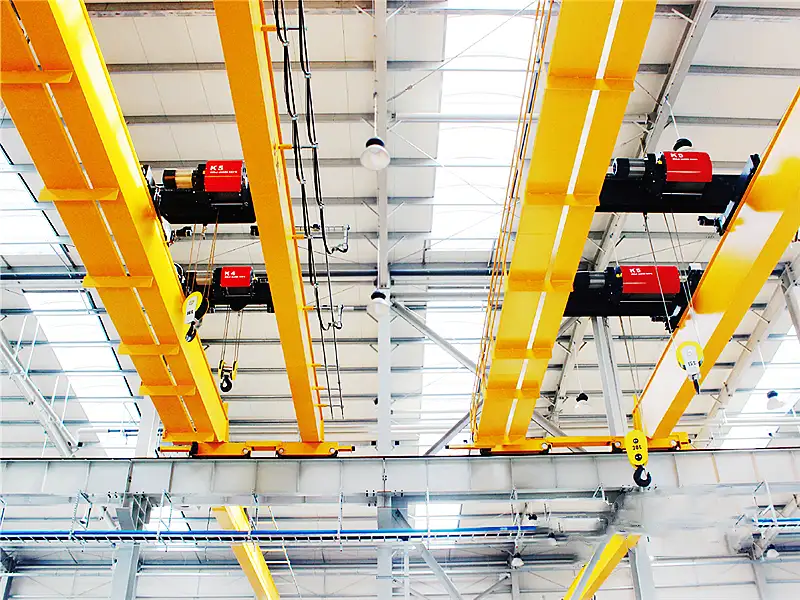
An overhead crane system is a complete lifting solution that moves loads horizontally and vertically along overhead runways installed inside a building.
Unlike standalone lifting devices, an overhead crane system integrates multiple components into a single, coordinated structure, enabling precise and repetitive lifting operations.
Main Components of an Overhead Crane System
Bridge Girder
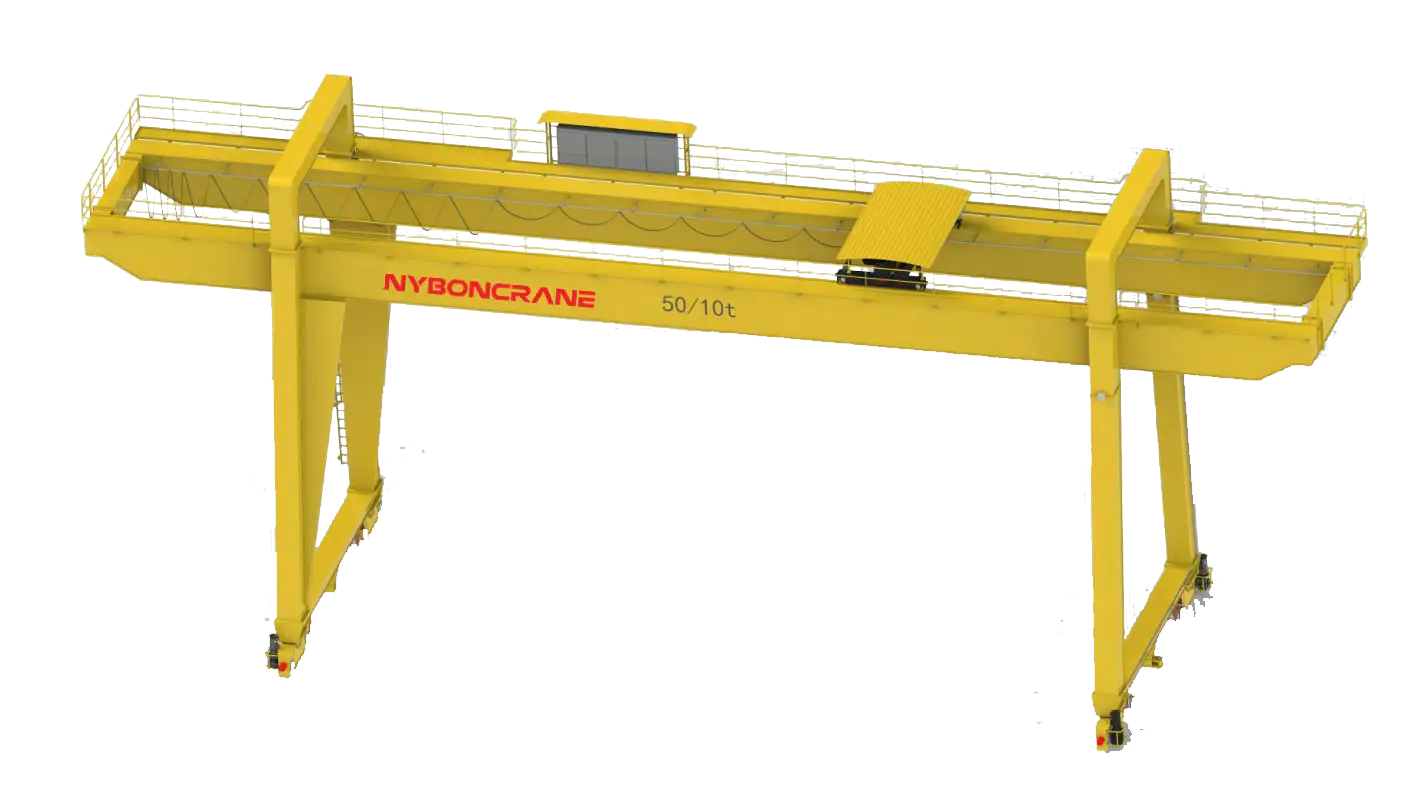
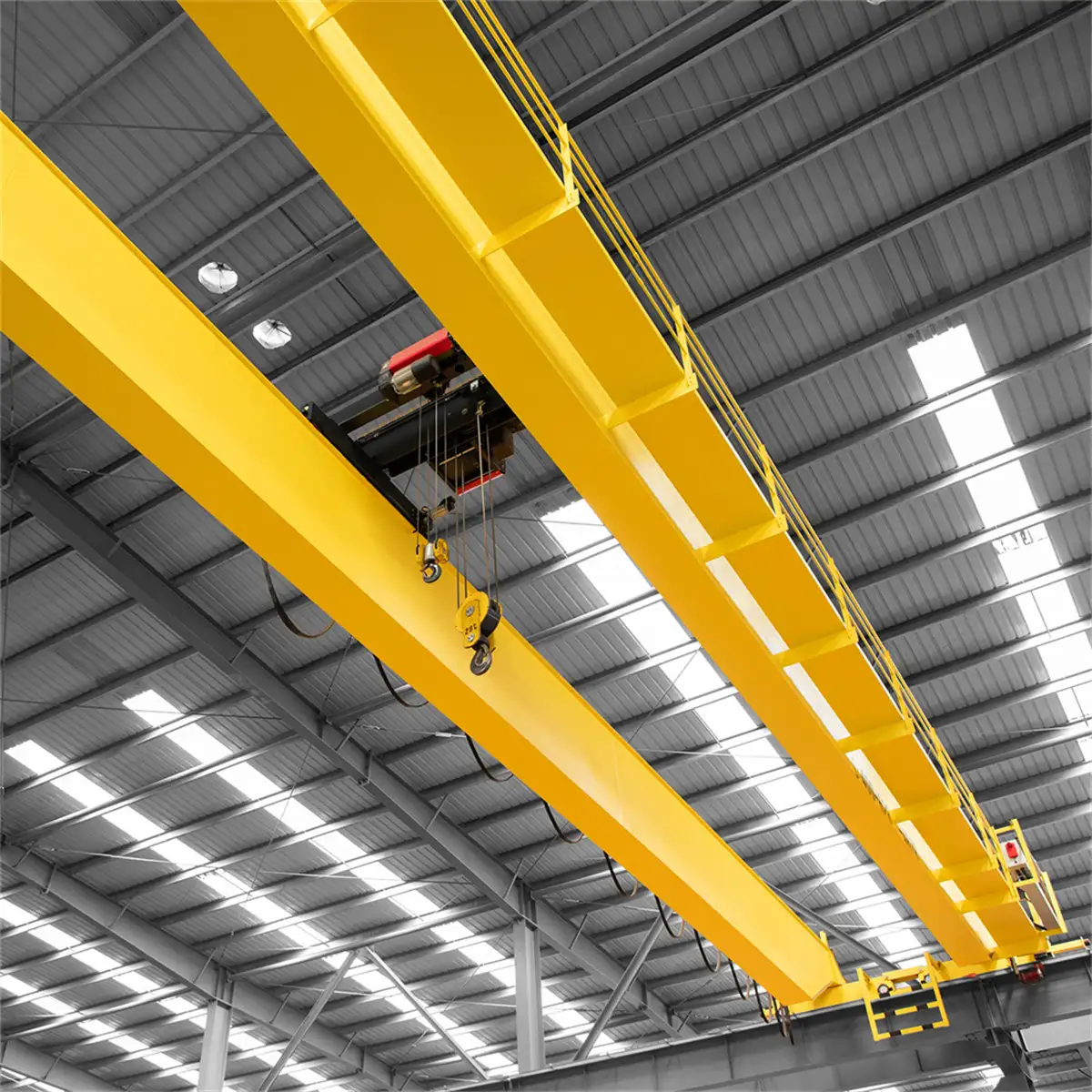
The bridge girder is the main load-bearing structure of the overhead crane system. It spans across the workshop and supports the trolley and hoisting mechanism.
End Carriages
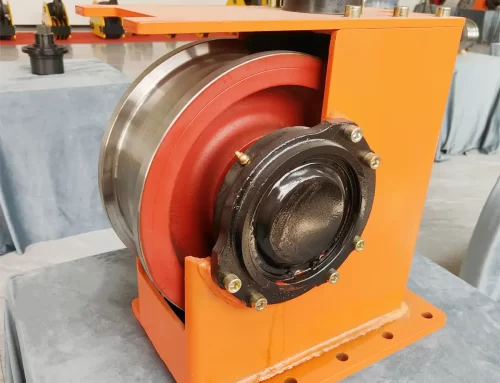
End carriages allow the crane bridge to travel along the runway rails. They play a critical role in crane stability and smooth operation.
Hoisting Unit
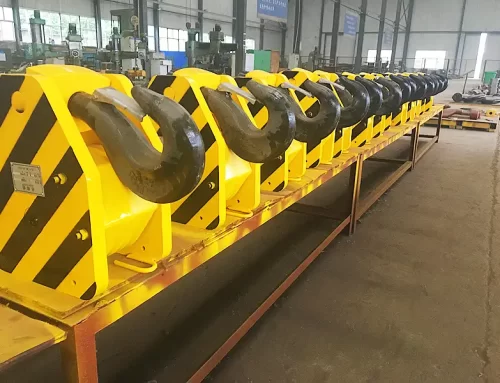
The hoisting unit is responsible for lifting and lowering the load. It is usually equipped with an electric hoist or winch trolley, depending on capacity and duty requirements.
Runway System
The runway system includes rails, beams, and supports that guide the crane’s longitudinal movement within the building.
Control System
Overhead crane systems can be operated using pendant controls, wireless remote control, or operator cabins, depending on operational needs.
NYBON Crane
Customizable Solutions – Nybon Crane offers tailor-made cranes to meet specific requirements, including capacity, speed, and mounting options.
Standard Technical Parameters (Customizable)
| Item | Typical Range |
|---|---|
| Lifting Capacity | 0.5 – 200 tons |
| Span | Up to 35 meters |
| Lifting Height | Up to 30 meters |
| Working Duty | A3 – A7 |
| Power Supply | 380V / 50Hz (Customizable) |
| Operation Mode | Fixed/Travelling |
| Control Method | Pendant / Remote Control / Cabin |
✅ All parameters support customization based on project requirements.
Advantages of an Overhead Crane System
Full Coverage of Working Area—An overhead crane system maximizes usable floor space by lifting loads above ground level.
Improved Safety—Properly designed crane systems reduce manual handling and workplace accidents.
High Working Efficiency—Overhead crane systems support frequent and repetitive lifting operations.
Customization Options for Overhead Crane Systems
Different workshops have different structural conditions and lifting requirements. A customized overhead crane system can include:
Non-standard span and runway layout
Special lifting speeds
Explosion-proof or dust-proof design
Integrated safety and monitoring systems
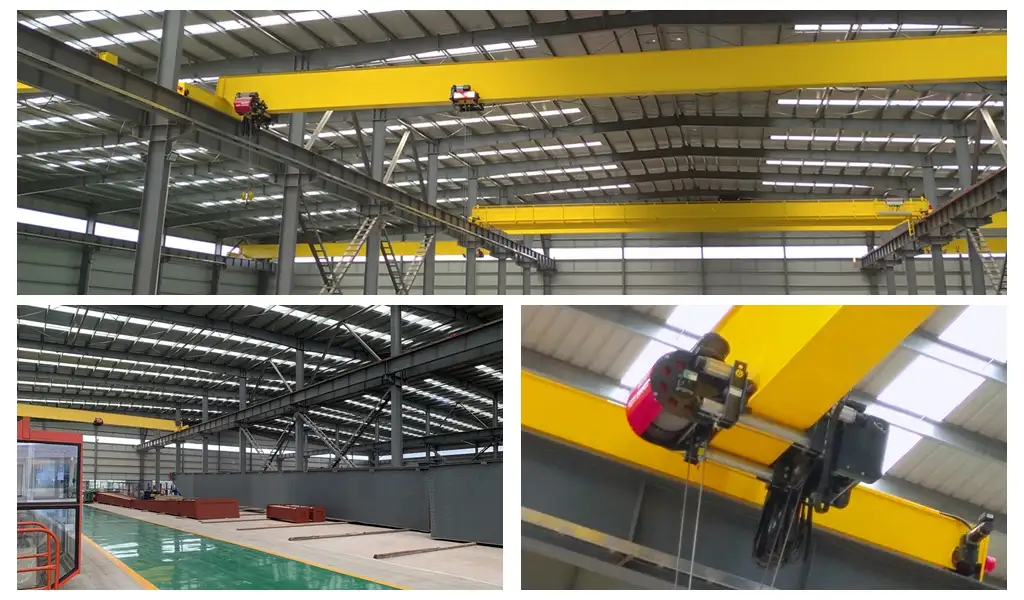
At Nybon Machinery, overhead crane systems are engineered based on real workshop conditions to ensure safe and efficient operation.
How to Choose the Right Overhead Crane System
When selecting an overhead crane system, consider:
Maximum lifting load
Workshop width and height
Operating frequency
Load handling process
Environmental conditions
Professional selection ensures long service life and lower maintenance costs.
Frequently Asked Questions (FAQ)
Q1: What industries use overhead crane systems?
Overhead crane systems are widely used in manufacturing, metal processing, warehouses, and heavy equipment workshops.
Q2: Can an overhead crane system be customized?
Yes. Load capacity, span, lifting height, control method, and system layout can all be customized.
Q3: What is the difference between an overhead crane system and a single crane?
An overhead crane system comprises the crane, runway, hoist, and control components that work together as a unified solution.
Q4: Are overhead crane systems suitable for high-frequency operation?
Yes. They are designed for repetitive and continuous lifting tasks.
Q5: Does Nybon Machinery provide complete overhead crane systems?
Yes. Nybon Machinery provides complete overhead crane systems, including design, manufacturing, and crane components.